


Tummy Tuck Scars: How They Mature and What You Can Do to Minimize Them
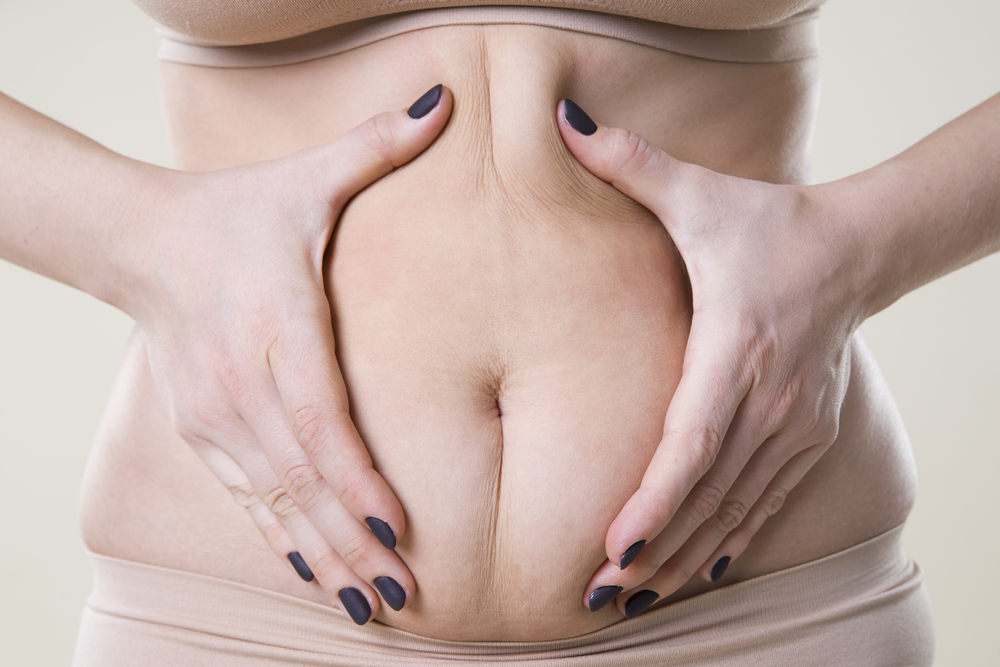
A tummy tuck can create a smoother, firmer abdominal contour, but it is important to understand that every procedure leaves a scar. The good news is that tummy tuck scars usually change significantly over time. In the early healing phase, scars often look darker, firmer, and more noticeable. As they mature, they typically flatten, soften, and fade, although they do not disappear completely. Scar appearance depends on factors like your skin type, healing response, incision care, and surgical technique.
What Scar Maturation Usually Looks Like
Scar maturation is a gradual process. During the first few weeks after surgery, your incision is still healing and may look red or pink. Over the following months, the scar can appear thicker or more visible before it starts to settle. This stage can be frustrating for patients who expect immediate improvement, but it is a normal part of healing. In many cases, the scar continues to evolve for up to a year or longer. Sun exposure during this period can make discoloration worse, which is why protection matters.
Why Some Scars Heal Better Than Others
Not all scars mature the same way. Genetics, skin tone, tension on the incision, and how closely you follow aftercare instructions can all affect the final result. A scar that is protected and cared for properly is more likely to heal with a smoother and less noticeable appearance. That is one reason we emphasize careful follow-up and personalized guidance throughout recovery. For body contouring patients, consistency matters more than quick fixes.
Steps That Can Help Minimize Tummy Tuck Scars
There is no way to erase a scar, but there are several practical steps that may help improve how it heals:
- Follow all incision care instructions from your surgeon
- Avoid strenuous activity or stretching too early
- Use silicone gel or silicone sheets if recommended
- Ask when scar massage is appropriate for your stage of healing
- Keep the scar out of the sun and use SPF 30 or higher when exposure cannot be avoided
These measures can support better healing and reduce the chance of a scar becoming darker, thicker, or more noticeable.
Timing Matters with Scar Care
One of the most common mistakes patients make is starting scar treatments too early or choosing products without guidance. Not every ointment, cream, or home remedy is helpful for every patient. In general, scar care should match the healing stage of the incision. Once the wound is fully closed, your surgeon may recommend options like silicone-based products or massage. The best approach is usually a simple, steady routine rather than trying too many treatments at once.
When to Ask About Additional Treatment
If a scar becomes unusually raised, thick, dark, or uncomfortable, it may be worth discussing additional treatment options. Some scars improve with time and conservative care, while others may benefit from more targeted management. The right next step depends on the scar itself, your skin, and your goals. A personalized evaluation is the best way to decide what is appropriate.
To schedule a tummy tuck consultation and review guidance on tummy tuck recovery and scar care, contact Aron Kressel, MD. Visit our office in New York, NY, or call (212) 772-6968 to book an appointment today.
Surgical
Non-Surgical

Services
Learn More
Request an
Appointment

Monday to Friday
9:30 AM - 4:30 PM
9:30 AM - 4:30 PM

Powered by 